

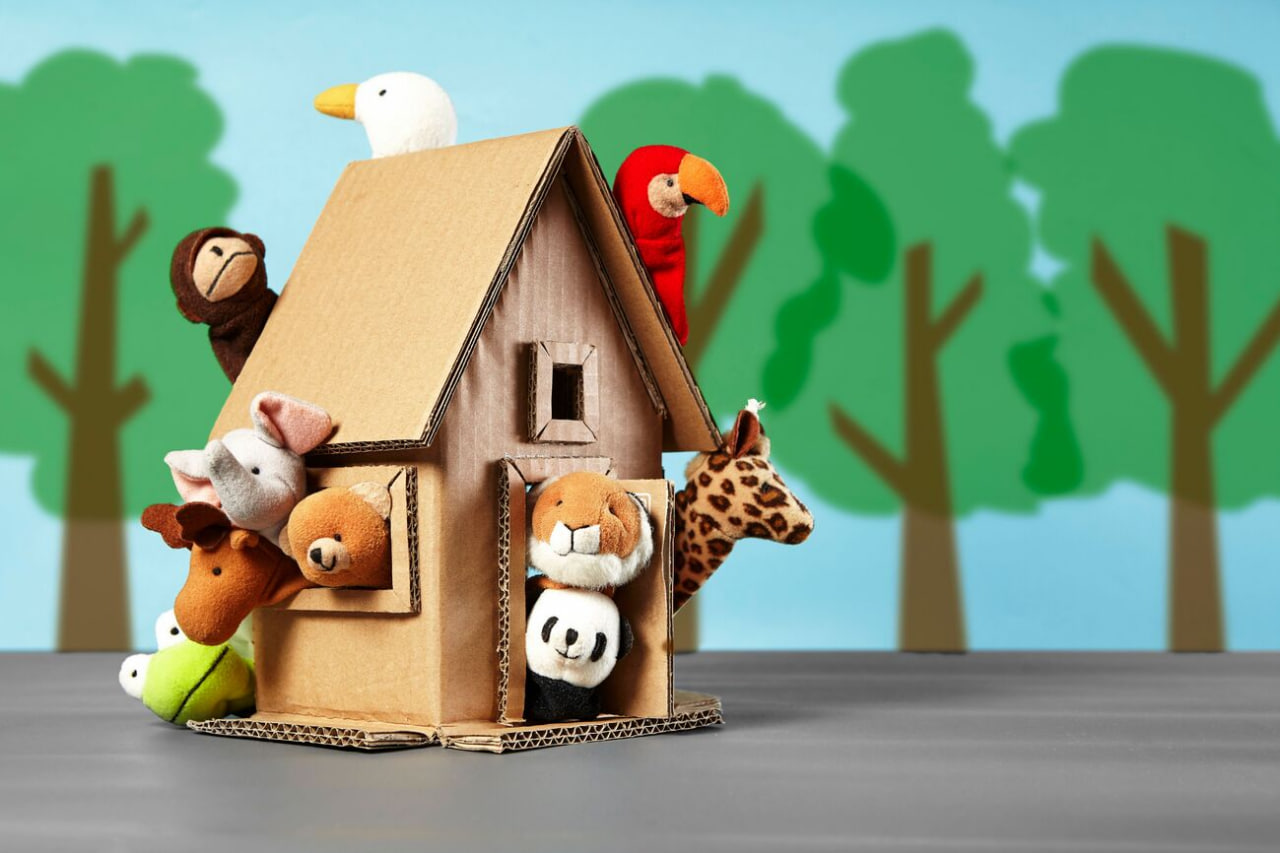
Creating a handmade toy is a rewarding journey that blends imagination, skill, and attention to detail. Each toy tells a story, reflects creativity, and brings joy to both the maker and the recipient. The process may seem complex at first, but breaking it into clear, manageable steps allows you to transform a simple idea into a fully realized stuffed friend. Understanding each stage—from initial sketching to final finishing—ensures that your toys are not only charming but also durable, safe, and full of personality.
Starting with a Concept and Sketch
Every toy begins with an idea. Sketching allows you to explore shapes, proportions, and character traits before committing to materials. Consider the following aspects during this stage:
- Character and Personality: Decide whether your toy is playful, gentle, whimsical, or expressive. Facial expressions, posture, and details like ears or tails communicate personality.
- Size and Proportion: Determine the scale of your toy in relation to the intended user or display space. Balance the size of the head, body, and limbs for aesthetic appeal.
- Style and Inspiration: Choose between realistic designs, stylized art-toys, or cute plushies. Inspiration can come from animals, fantasy characters, or abstract forms.
Sketching multiple versions and experimenting with variations helps refine the design. This planning phase is essential because it guides the rest of the process, minimizing mistakes and wasted materials.
Selecting Materials for Your Toy
The choice of materials has a major impact on both appearance and durability. Consider fabric types, stuffing, and accessories:
- Fabrics: Cotton, felt, fleece, and minky are common for plush toys. Each fabric brings a different texture and character.
- Stuffing: Polyester fiberfill is lightweight and easy to shape, while natural stuffing options like wool or cotton provide eco-friendly alternatives.
- Safety Considerations: Ensure that materials, threads, and any embellishments like buttons or beads are child-safe if the toy is intended for children.
Selecting quality materials makes the sewing and finishing process smoother while ensuring a soft, resilient, and long-lasting toy.
Creating Patterns and Cutting Pieces
Once your sketch and materials are ready, the next step is to create patterns. Patterns act as templates for cutting the fabric accurately.
- Drafting Patterns: Use paper to outline each part of the toy, including the body, limbs, ears, and any accessories. Add seam allowances for stitching.
- Testing Fit: Consider making a small prototype from scrap fabric to check proportions and refine shapes.
- Cutting Fabric: Place the pattern on your chosen fabric, pin securely, and cut carefully. Pay attention to directional patterns, nap, and stretch of the fabric to maintain design integrity.
Accurate patterns reduce fabric waste and ensure that pieces fit together seamlessly during assembly.
Sewing the Toy Together
Sewing is where your toy starts to take shape. Depending on your skill level and tools, you can sew by hand or use a sewing machine.
- Assembling Parts: Begin by sewing smaller components like arms, legs, ears, or tails. Then attach them to the main body.
- Seam Techniques: Use tight, even stitches to ensure durability. Backstitch at the start and end of seams for extra strength.
- Leaving Openings: Keep openings for turning the toy right-side out and for stuffing. Position openings strategically to minimize visible seams.
Careful stitching ensures that the toy can withstand handling and play without coming apart.
Stuffing and Shaping the Toy
Stuffing brings your creation to life, giving it volume and form.
- Even Distribution: Fill limbs and body sections gradually to prevent lumps. Use small amounts at a time, gently shaping the toy as you go.
- Firmness vs. Softness: Adjust stuffing density according to design preference. Some toys benefit from a firmer structure, while others are cuddly and soft.
- Final Adjustments: Shape features like ears, arms, or tails to match the character’s intended posture. Check symmetry and make small corrections before closing seams.
Proper stuffing enhances both appearance and tactile appeal, creating a toy that feels alive in the hand.
Adding Details and Personal Touches
Details give toys personality and character. Small finishing touches can make a big difference.
- Facial Features: Embroider eyes, noses, and mouths, or use safe plastic eyes for a polished look.
- Clothing and Accessories: Add hats, scarves, or mini outfits to create a story for your toy. These elements can also introduce color contrast and texture.
- Decorative Stitching: Use contrasting threads or decorative stitches to emphasize design elements, making your toy unique and memorable.
Personalization allows each toy to feel like a one-of-a-kind creation, reflecting both skill and imagination.
Finishing and Quality Check
Before declaring your toy complete, inspect it carefully.
- Secure Seams: Make sure all stitches are tight and no openings remain.
- Even Stuffing: Adjust any areas that appear uneven or lumpy.
- Safety Inspection: Check all accessories, buttons, or beads to ensure they are securely attached, especially if intended for children.
A final quality check ensures that your toy is both beautiful and functional, ready to delight its new owner.
Sharing and Enjoying Your Creation
Handmade toys are meant to be enjoyed. They can be gifts, collectibles, or part of your creative portfolio. Sharing your toys with friends, family, or students adds joy and pride to the process. Documenting your creations through photos or videos can also help build an online presence if you wish to sell or showcase your work. Each toy carries the story of its maker, making the end result deeply personal and rewarding.