

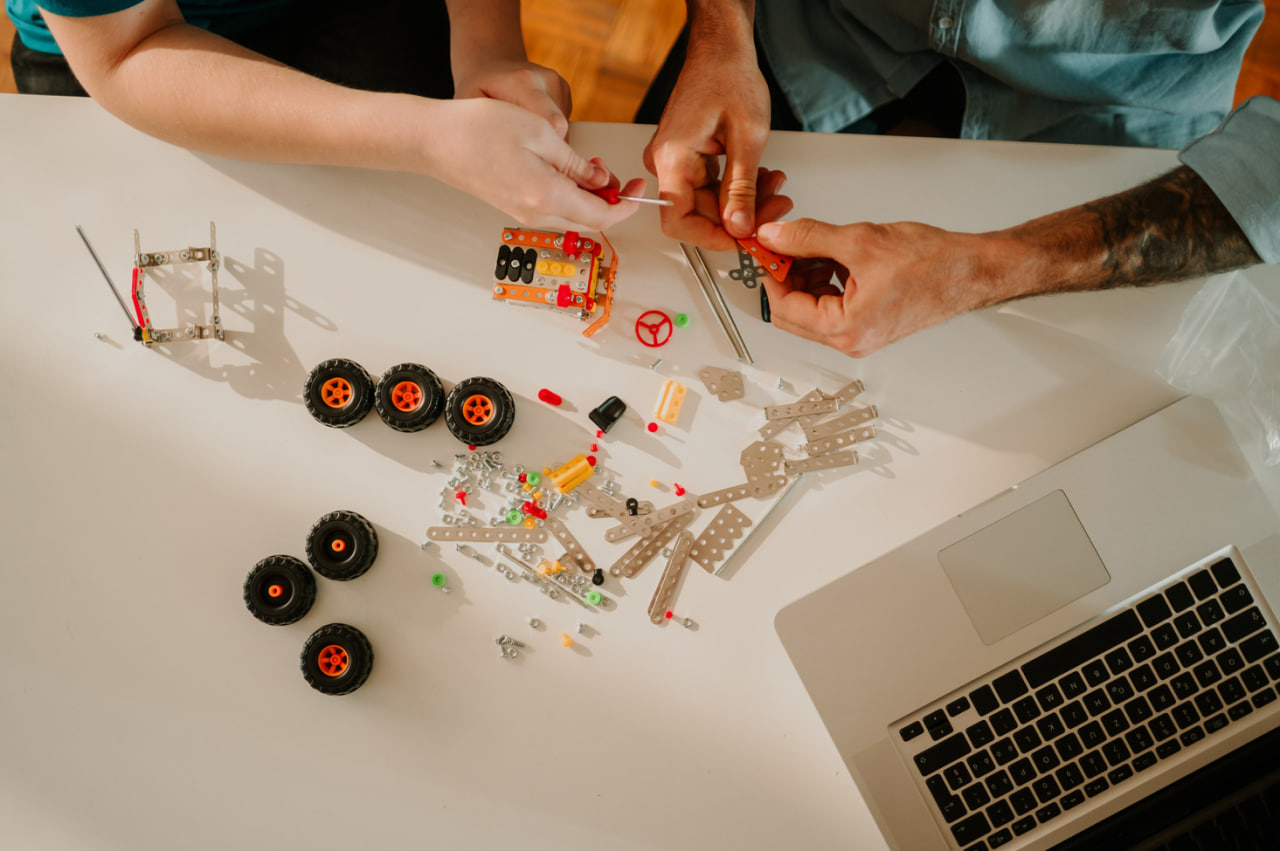
Handmade toys are not only a creative outlet but also a potential source of income for those who wish to turn their passion into a business. Crafting toys combines artistry, design, and craftsmanship, offering a unique product that appeals to collectors, parents, and enthusiasts alike. However, transitioning from hobbyist to entrepreneur requires careful planning, marketing insight, and understanding the business side of toy-making. With the right approach, aspiring toy designers can build a sustainable, rewarding business while sharing their creations with the world.
Understanding Your Market
The first step in turning handmade toys into a business is identifying who will buy your products. Understanding your audience helps you design toys that resonate and sell effectively.
- Target Demographics: Consider whether your toys are aimed at children, collectors, or gift buyers. Each group has different preferences and expectations regarding style, size, and safety.
- Trends and Popularity: Research current trends in toys, including colors, themes, and materials. While originality is important, understanding market preferences ensures your products are relevant.
- Competitive Analysis: Study other toy designers and brands to understand pricing, product presentation, and customer feedback. This insight helps you differentiate your offerings.
Knowing your market ensures that your designs meet both creative goals and consumer demand.
Creating Unique, High-Quality Products
In a competitive marketplace, quality and uniqueness are essential for success. Buyers are attracted to toys that are both well-made and visually appealing.
- Distinctive Designs: Develop a signature style or theme that sets your toys apart from mass-produced items. This could be through material choice, character design, or innovative features.
- Durability and Safety: Ensure toys are carefully constructed, with strong seams, safe materials, and secure embellishments. High-quality products build trust and encourage repeat business.
- Attention to Detail: Small touches like embroidered faces, custom accessories, and thoughtful color combinations enhance perceived value and attract buyers.
Quality craftsmanship and originality are your strongest selling points as a toy designer.
Branding and Presentation
A strong brand and consistent presentation help your business stand out and create customer loyalty.
- Brand Identity: Develop a brand name, logo, and aesthetic that reflect your creative style and mission. Consistency in packaging, online presence, and product photography reinforces professionalism.
- Product Photography: Clear, high-quality images of your toys, including close-ups and staged scenes, increase appeal and encourage purchases.
- Packaging: Thoughtful, attractive packaging enhances the customer experience and communicates quality. Eco-friendly packaging can also appeal to environmentally conscious buyers.
Effective branding ensures your toys are recognized and remembered in a crowded marketplace.
Selling Platforms and Channels
Choosing the right platforms to sell your toys is crucial for reaching your target audience.
- Online Marketplaces: Etsy, Amazon Handmade, and similar platforms provide access to wide audiences and tools for managing listings and payments.
- Social Media: Instagram, TikTok, and Pinterest are effective for showcasing products, sharing the creative process, and building a following.
- Local Markets and Craft Fairs: Physical events allow direct interaction with buyers, immediate feedback, and networking opportunities with other makers.
- Your Own Website: Selling through a personal website provides full control over branding, product presentation, and customer engagement.
Combining multiple sales channels increases visibility and revenue potential.
Pricing Strategies
Determining the right price for handmade toys balances labor, materials, and market expectations.
- Cost Calculation: Include all materials, tools, labor, and overhead costs to ensure profitability.
- Market Comparison: Research similar products to understand what customers are willing to pay.
- Value-Based Pricing: Consider the uniqueness, quality, and story behind your toys when setting prices. Limited editions or custom features can justify higher prices.
Thoughtful pricing ensures sustainability while remaining competitive.
Marketing and Promotion
Promoting your toys effectively helps attract customers and grow your business.
- Content Marketing: Share tutorials, behind-the-scenes videos, or the story of your toys to engage your audience and create a connection.
- Email Lists: Build a mailing list to inform customers about new products, promotions, or workshops.
- Collaborations and Partnerships: Partnering with local stores, online influencers, or other artists can expand your reach.
- Social Proof: Encourage reviews and testimonials from satisfied customers to build trust and credibility.
Consistent marketing efforts increase visibility, drive sales, and foster brand loyalty.
Scaling Your Business
Once your toy business gains traction, consider strategies for growth.
- Expanding Product Lines: Introduce new characters, themes, or product types to attract repeat customers.
- Workshops and Classes: Teaching others to make toys can diversify income streams and promote your brand.
- Outsourcing Production: For high-demand products, partnering with trusted artisans or small manufacturers can maintain quality while increasing output.
Strategic scaling allows your business to grow without compromising creativity or craftsmanship.